Quick tips from a local

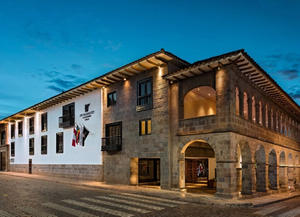
If you want an authentic feel, try staying in a smaller guesthouse or B&B instead of a hotel. In Cusco, look around San Blas for artisan-run spots where you can meet locals or maybe take an impromptu weaving lesson. And don’t underestimate Lima’s smaller districts,like Surquillo,where affordable stays put you near fantastic street markets.

Also, timing matters. Peru’s dry season (May to September) sees way more tourists and prices climb, so booking two or three months ahead helps. Finally, always ask your host about the best local eateries or hidden spots,they often know the little neighborhoods tourists miss.

Frequently Asked Questions

Got questions about places to stay? Here are some answers from someone who’s been there.

It depends on your plans. Cusco offers more dining and nightlife options plus a chance to acclimate, but if you want to catch sunrise at Machu Picchu, staying overnight in Aguas Calientes is easier. Just book early because spots fill fast.
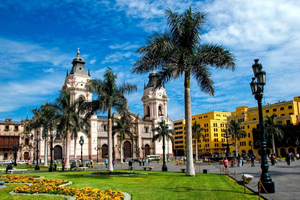
Absolutely. Miraflores and Barranco are popular and safe, with hostels, budget hotels, and Airbnb options. I’d avoid areas in downtown Lima at night, but these neighborhoods feel comfortable and lively.
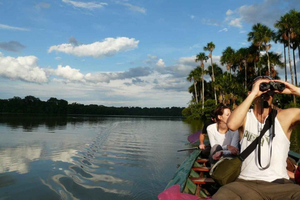
Yes, lodges near Puerto Maldonado or Iquitos cater to eco-tourists. Conditions can be rustic, but many places offer comforts like hot showers and meals. Book in advance, especially during dry season (June to October).
I usually book online for convenience, but for smaller guesthouses or jungle lodges, sometimes contacting them directly gets you better rates or insider info. Local travel agencies can help if you want combined tours and lodgings.
Yep. Many places don’t operate like hotels in bigger countries,check if hot water is always available, especially in hostels. Also, Wi-Fi can be spotty outside major cities, so plan accordingly if you need reliable internet.

Top Things To Do in Peru

See All →
Add to your trip

Add your travel dates so we can place this on the right day, or save it for later.