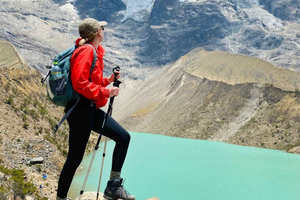
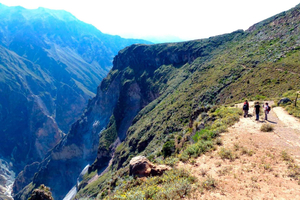
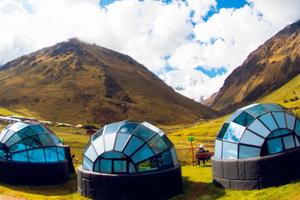
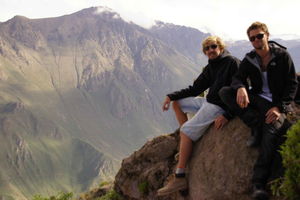
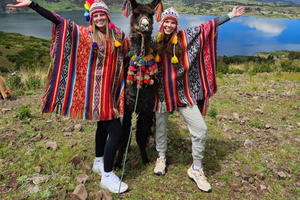
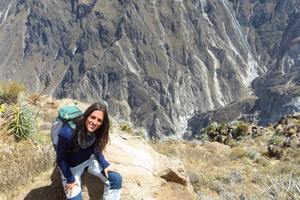
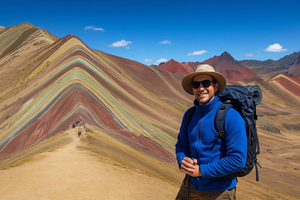
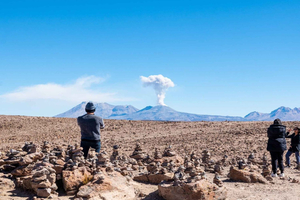
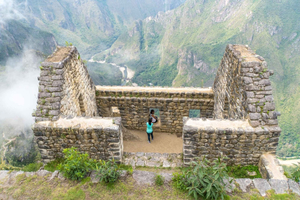
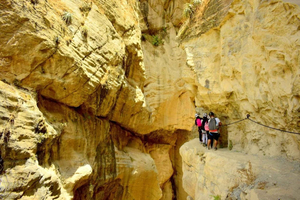
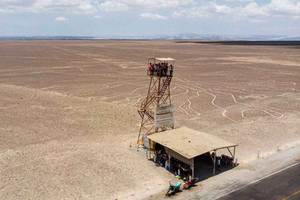
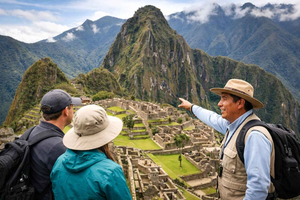
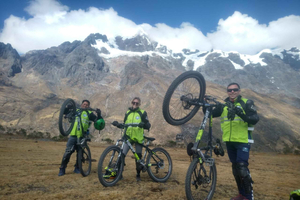
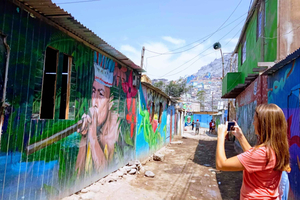
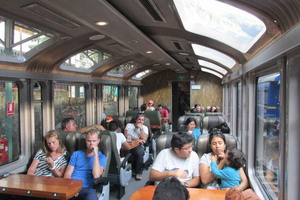
If you’re thinking about hiking in Peru, get ready for some of the most varied and rewarding trails on the planet. It’s not just about the famous Inca Trail, although that’s a classic for a reason and yes, it’s busy. But, there’s more. I’ve lived here for years and still find hidden paths around Huaraz that make you feel like you’re the first person to set foot there.
The Andes will challenge you with their altitude, and the weather can change in a heartbeat. I always recommend bringing layers (think a warm fleece and rain shell) and a good pair of trekking boots. Early mornings around Cusco mean a chill that often catches visitors off guard. And speaking of Cusco, if you want to avoid the crowds, the Salkantay Trek is a fantastic alternative, with stunning mountain views and fewer people.
One trick I’ve learned? Talk to locals before you set off. Sometimes a quick chat with a market vendor near Plaza de Armas can lead you to lesser-known trails or nearby ruins that tourists don’t usually hear about. Peru’s hiking scene is vast. Just be patient with the altitude,and trust your pace. No rush, take it in and enjoy the quiet. You’ll find the rewards are in the little moments, not just the summit.
🌍 Part of the My Guide Network180+ destinations worldwide
If you’ve got your heart set on the Inca Trail but dread the crowds, try the Salkantay Trek instead. It’s a longer route with breathtaking views and often much quieter. Plus, it takes you through thermal hot springs where you can soak your sore muscles after a long day’s walk.
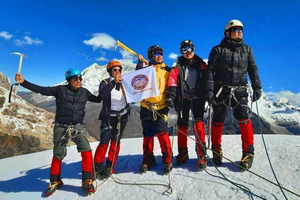
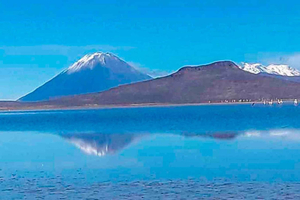
One local tip: avoid hiking the classic Inca Trail on weekends if you can. Most people hit the trail Friday morning, so starting midweek can make a huge difference in peace and quiet. And don’t underestimate the power of a coca leaf chew or tea,it’s not just local superstition but actually helps with the altitude. Trust me, it worked for me more than once.
Frequently Asked Questions
Got questions about hiking in Peru? Here are some answers from someone who’s been there.
Yes, you do. The Inca Trail is regulated, and you must book a licensed guide and trek with a group. It’s actually a good thing because guides know the history, point out hidden ruins, and handle permits. If you want a more private experience, go during the off-season right after the rainy season,but remember, it still gets busy.
Dry season, between May and September, is your safest bet. Trails are clearer, and the weather’s more stable. But mornings can be freezing, especially above 3,000 meters. If you don’t mind a bit of mud, the shoulder months like April and October offer fewer people and blooming wildflowers.
Huaraz hikes tend to be tougher, with higher altitude and rougher terrain. If you’re short on time or new to trekking, Cusco’s routes are more accessible and have better infrastructure. But if you want epic glaciers and dramatic spikes, Huaraz is unbeatable,just acclimatize properly first.
Not really. The permits sell out months ahead, especially during peak season. For last-minute plans, options exist like the Lares or Salkantay treks. They’re equally beautiful but less crowded, and you can usually book closer to your trip date.
Absolutely. Altitude sickness is common above 3,000 meters, and many trails in Peru cross higher passes. Take a day or two in Cusco or Huaraz to get used to the altitude, drink plenty of coca tea, and don’t push yourself too hard. If you feel dizzy or nauseous, don’t hesitate to rest or descend.
Think layers: moisture-wicking base layers, a warm fleece, and a waterproof jacket. Don’t forget sturdy boots with a good grip,they’ll save your knees on steep descents. Also, a reusable water bottle with a filter is handy because tap water isn’t safe everywhere. And yes, sunscreen even in chilly mountain air!