Not quite what you’re looking for yet?

Use filters to narrow things down or explore other categories.
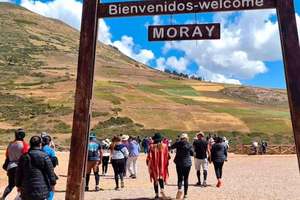

Some local tips for nature tours

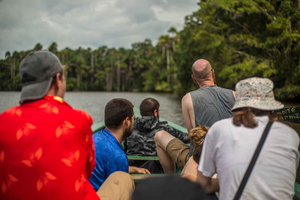
If you’re headed to the Amazon basin, consider staying in a community-run lodge outside Puerto Maldonado. It’s less commercial and you get to support local families directly. Also, mornings are when animals are most active , waking up early to catch wildlife is worth the groggy start. And remember, your phone’s flashlight won’t cut it; bring a reliable headlamp if you want to take nighttime jungle walks.

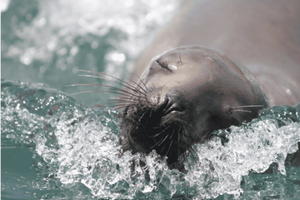
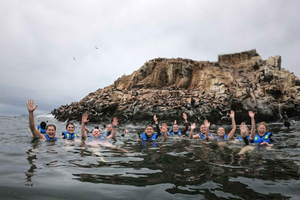
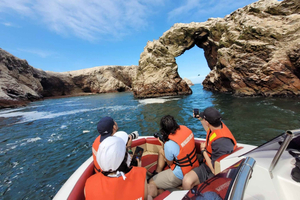
One more thing: for the Ballestas Islands near Paracas, the boat rides can get chilly in the early morning, even in warmer months. A windbreaker will save you some shivering while you watch sea lions laze on the rocks.

Frequently Asked Questions

Got questions about nature tours in Peru? I’ve got you covered.

Most people head out between June and September because it's drier, meaning easier trails and fewer mosquitoes. But the wet season, from November to March, can be great too if you’re after lush scenery and more active wildlife, especially frogs and birds.
Absolutely. Many tours can be adjusted depending on your group’s energy and experience. For example, trips to Tambopata have options ranging from still river cruises to more intensive jungle hikes. Just make sure to specify your needs when booking.
You’ll likely need a yellow fever vaccine if you’re heading into jungle areas like Madre de Dios. Also, bring long sleeves, good insect repellent, and waterproof boots or shoes because it’s wet and buggy out there.
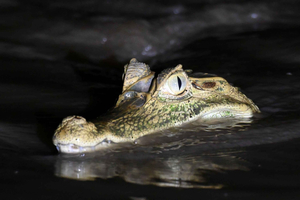
Seeing big cats is rare anywhere, but not impossible in Peru’s deep jungle zones like Manu or Tambopata. Most wildlife sightings involve birds, monkeys, capybaras, and caimans. Patience and a good guide really help up your chances.
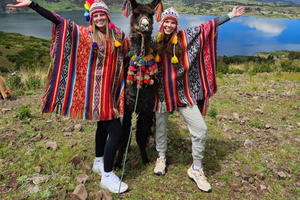
In the Andes, you’re looking up at the sky for condors or spotting llamas and alpacas grazing. The high altitude changes the experience completely , crisper air, cooler temps. The Amazon feels humid and dense, filled with a dizzying variety of insects, plants, and animals on every branch.
Most local operators take conservation seriously, especially around places like Manu or the Tambopata reserve. Still, ask before you book. Small family-run tours tend to have less impact than big groups shuttled around in motorboats all day.

Explore Things To Do Categories

Top Things To Do in Peru

See All →
Add to your trip

Add your travel dates so we can place this on the right day, or save it for later.