Not quite what you’re looking for yet?

Use filters to narrow things down or explore other categories.

A little local wisdom

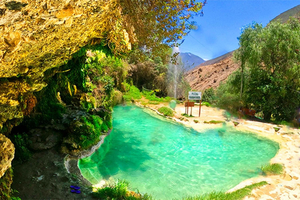
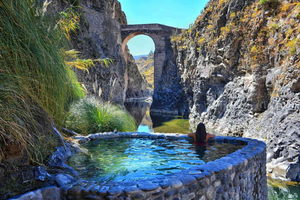
If you’re up for a day trip, I recommend the Baños Termales de La Calera outside Arequipa. Getting there is part of the fun,a drive through volcanic landscapes that’s straight out of a movie. On arrival, you’ll find pools fed by natural hot springs that locals say are great for your skin and muscles. Oh, and don’t just stick to the big pools. Look for smaller, cooler springs nearby if you need to cool off. It’s a more low-key experience than the crowded baths in Aguas Calientes, and the view of the Rockies makes every minute worth it.

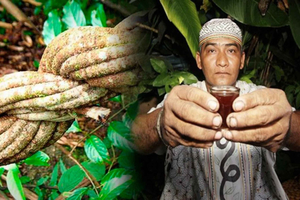
Also, chatting with the locals there reveals some fascinating old-school remedies that aren’t in guidebooks. I once learned about a leaf soak that’s meant to ease altitude symptoms. Trust me, these spots make for an authentic Peruvian reset.

Frequently Asked Questions

Here are some things people often wonder about Peru’s spas and thermal baths.

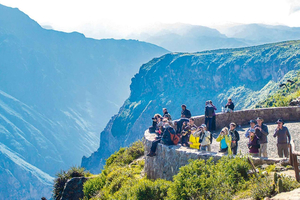
Yes, most of the popular thermal baths like those in Aguas Calientes or Colca Canyon are well-maintained and safe. It’s best to check water temperature before jumping in; some pools can be hotter than you expect. I always like to see if there’s a fresh flow to avoid stagnant spots.
Early morning or late afternoon work best to dodge the crowds and catch the place at its most peaceful. Plus, mornings in spots like Machu Picchu’s hot springs come with clear views and a calm vibe before the tourists pour in.
Definitely. You’ll find treatments using native ingredients like coca leaves, quinoa scrubs, or mud masks made from volcanic clay around Arequipa. These aren’t just gimmicks , locals believe they tap into the land’s natural healing powers.
Absolutely. Lima has some surprisingly good spas with traditional Andean-inspired therapies mixed in. Cusco also offers spas catering to travelers wanting a bit of pampering after days exploring high altitude. Just ask locals or your hotel for recommendations.
Bring a swimsuit, towels, and sandals. Flip-flops help with the slippery floors, and a water bottle is handy because those warm waters can dry you out. Some baths provide towels, but I prefer my own.
For the most part, yes. High-altitude baths like those near Colca Canyon stay open year-round, though rainy season (December to March) might make access a little tricky. Dry season is ideal if you want clearer skies and easier trips.

Explore Things To Do Categories

Top Things To Do in Peru

See All →
Add to your trip

Add your travel dates so we can place this on the right day, or save it for later.